



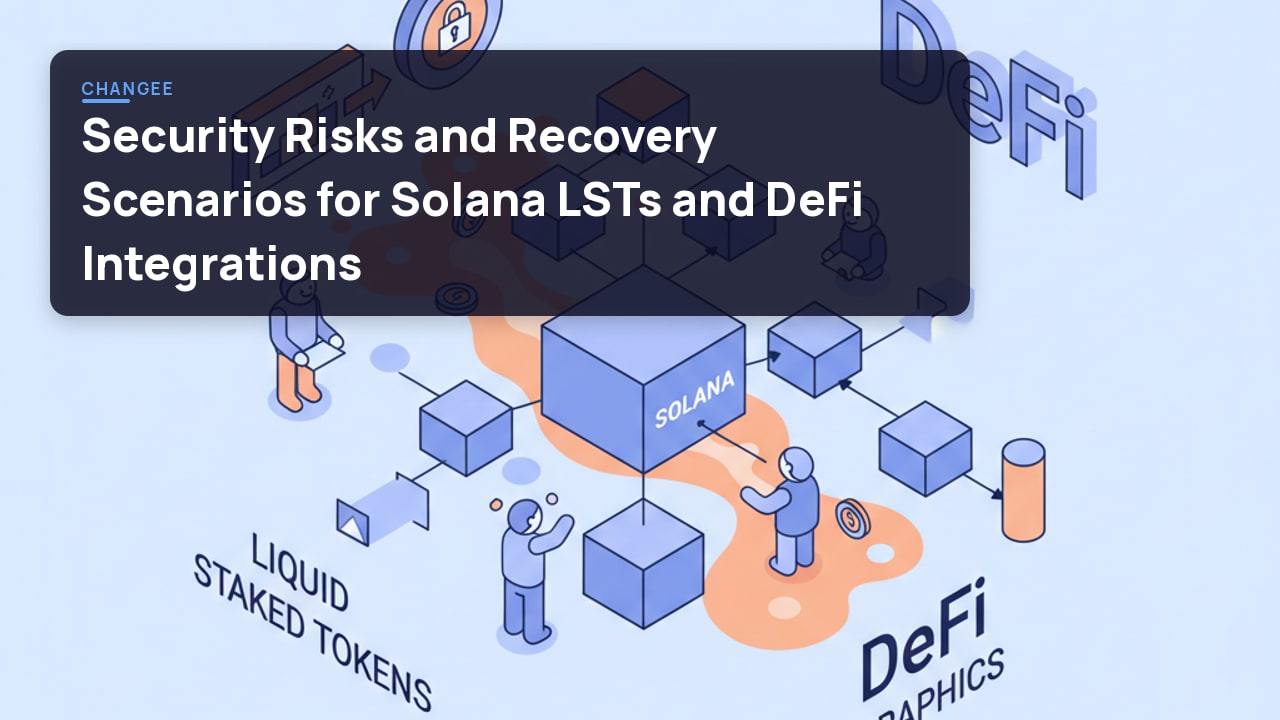
Security Risks and Recovery Scenarios for Solana LSTs and DeFi Integrations
By Sophie Lindqvist · Reviewed by Gabriel Moreau
Security risks associated with Solana LST staking risks smart contracts are a growing concern as decentralized finance (DeFi) integrations continue to evolve. As more users engage with liquid staked tokens (LSTs) on the Solana blockchain, understanding the inherent vulnerabilities is crucial for safeguarding assets. This article explores the various risks specific to LST protocols, outlines potential recovery scenarios, and highlights best practices for users in this rapidly changing environment.
- Founded: 2020
- Headquarters: Unknown / undisclosed
- Regulation: Many protocols are unregulated but may comply with certain standards.
- Supported assets / countries: Various cryptocurrencies, globally
- Score: 7/10
What are Solana LSTs?
Liquid Staked Tokens (LSTs) on the Solana blockchain are a form of tokenized staking that allows users to earn rewards from their staked assets while maintaining liquidity. Unlike traditional staking, where funds are locked up for a specific period, LSTs enable users to trade or utilize their staked assets across various DeFi platforms. This innovation has led to increased participation in staking, but it also introduces new security risks that users must be aware of.
As Solana continues to gain traction in the DeFi space, numerous protocols have emerged, each offering unique benefits and risks. However, many of these protocols are relatively new and may not be as battle-tested as more established platforms, making it essential for users to understand the risks associated with LSTs and the smart contracts governing them.
How we evaluated Solana LSTs
This article evaluates Solana LSTs based on several criteria: security (including smart contract vulnerabilities and oracle risks), transparency of the protocols, user experience, and support mechanisms in place for asset recovery. Each criterion is weighted to provide a comprehensive overview of the potential risks and recovery scenarios for users engaging with these platforms.
Is Solana LSTs Safe?
While many Solana LST protocols have undergone audits and security assessments, no major incidents reported as of August 20, 2026, users should remain vigilant about potential vulnerabilities. The safety of LSTs is primarily determined by the underlying smart contracts, which can be susceptible to various exploits, including reentrancy attacks, oracle manipulation, and governance vulnerabilities.
Additionally, custody risks arise when users delegate their assets to third-party protocols. If a protocol experiences a security breach or mismanagement, users could lose access to their staked assets. Therefore, it is crucial to engage with well-established protocols and perform thorough due diligence before participating in any LST.
Is Solana LSTs Legit?
Most Solana LST protocols are built on transparent frameworks, often open-source, allowing the community to review the code. However, the legitimacy of these platforms can vary significantly. Users should verify the team behind each protocol, its regulatory compliance, and any past incidents. While many platforms are unregulated, they often provide robust community support and transparency, which can help establish trust.
Despite the lack of regulatory oversight, many users find value in the flexibility and potential yields associated with LSTs. However, the onus is on the user to assess the legitimacy of each protocol and the security measures they have implemented.
Features and Pricing
Solana LST protocols typically offer various features, including:
- Yield generation from staked assets
- Liquidity provision for trading and lending
- Integration with various DeFi applications
- Flexible staking options with minimal lock-up periods
Pricing structures may vary across platforms, with some charging fees for staking or withdrawal. Users should carefully review the fee schedules and any hidden costs that may be associated with using specific protocols.
User Experience
The user experience of engaging with Solana LSTs can differ significantly among protocols. Most platforms provide a straightforward sign-up process, often requiring only a wallet connection to begin staking. The user interface quality can range from polished and user-friendly to more rudimentary designs.
Mobile app availability is also a consideration. While some protocols offer dedicated mobile applications for staking and trading, others may only be accessible via web interfaces. Users should evaluate the convenience and accessibility of the platforms they choose.
Pros and Cons
- Pros:
- Increased liquidity compared to traditional staking methods
- Potential for higher yields through DeFi integrations
- Participation in governance and platform development
- Access to a growing ecosystem of DeFi applications
- Cons:
- Smart contract vulnerabilities may expose assets to risk
- Custody risks if assets are delegated to third-party protocols
- Lack of regulatory oversight can lead to potential fraud
- Relative newness of platforms can result in untested features
Solana LSTs vs Alternatives
| Feature | Solana LSTs | Ethereum LSTs | Other LST Protocols |
|---|---|---|---|
| Liquidity | High | Moderate | Varies |
| Yield Potential | High | Moderate | Varies |
| Security | Variable | High | Variable |
| User Experience | Good | Excellent | Varies |
Who Should Use Solana LSTs?
Solana LSTs are best suited for users who:
- Seek higher yields through staking with liquidity
- Are comfortable navigating the risks associated with newer protocols
- Want to participate in the DeFi ecosystem on Solana
- Prefer flexibility in their staking options
However, they may not be ideal for users who are risk-averse or unfamiliar with DeFi protocols and the associated security risks.
Final Verdict
In conclusion, while Solana LSTs offer an innovative and flexible approach to staking, users must remain aware of the solana lst staking risks smart contracts and the potential vulnerabilities associated with newer protocols. Based on the evaluation criteria, I would rate Solana LSTs a score of 7/10, indicating a reasonable balance of risk and reward. Users should conduct thorough research and consider the security measures in place before engaging with any LST protocol.
FAQ
What are the main risks of using Solana LSTs? The primary risks include smart contract vulnerabilities, custody risks, and the potential for oracle manipulation.
How can I recover assets if a protocol experiences a breach? Recovery steps may involve working with the protocol's support team, utilizing any available recovery mechanisms, or engaging with community resources for assistance.
Are Solana LSTs more risky than traditional staking? Yes, due to their relatively new nature and reliance on smart contracts, they can introduce additional risks that traditional staking methods do not have.
Can I switch between different LST protocols? Yes, many protocols allow users to swap between LSTs, but be mindful of any fees and liquidity constraints.
Is there a way to ensure my assets are safe while using LSTs? Utilize hardware wallets for added security, perform due diligence on protocols, and consider diversifying across multiple platforms.
For more on LST security and recovery scenarios, check our comprehensive guide.